Diego N. is a designer who turns complex problems into simple, elegant solutions.
Diego N. is a designer who turns complex problems into simple, elegant solutions.
Principal UX Designer of Volvo | Gothenburg - Sweden
Principal UX Designer of Volvo
Gothenburg - Sweden
Work
Work
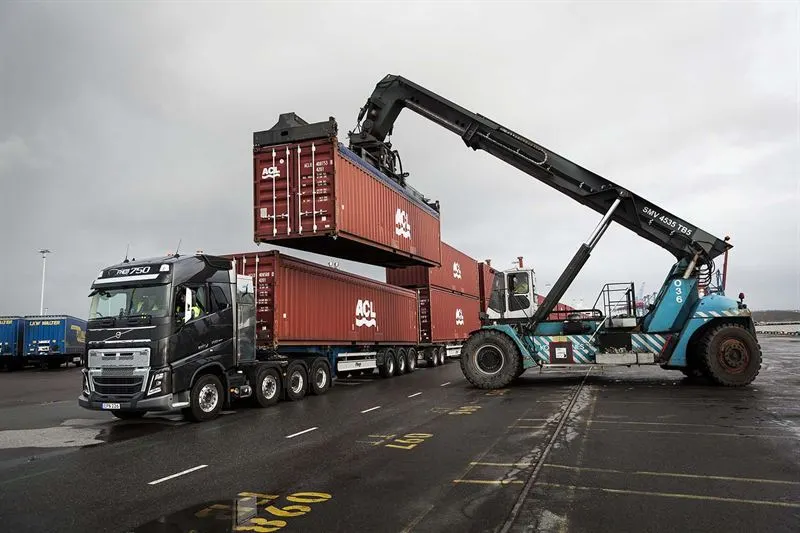
ShipIT
ShipIT is an internal logistics system used to manage material transportation for Volvo’s production lines, supporting complex logistics flows that include both standard and express deliveries. The system handles a wide range of material types and operational constraints, serving multiple user roles involved in planning, booking, and monitoring transportation activities across the supply chain.
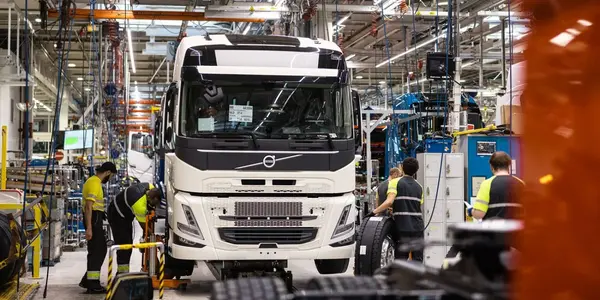
Introblocks
Introblocks is a Volvo Group initiative designed to improve production quality and stability by structuring controlled intervals in the truck production line. The project tackles operational complexity while evolving existing processes through focused improvements delivered in 2025.
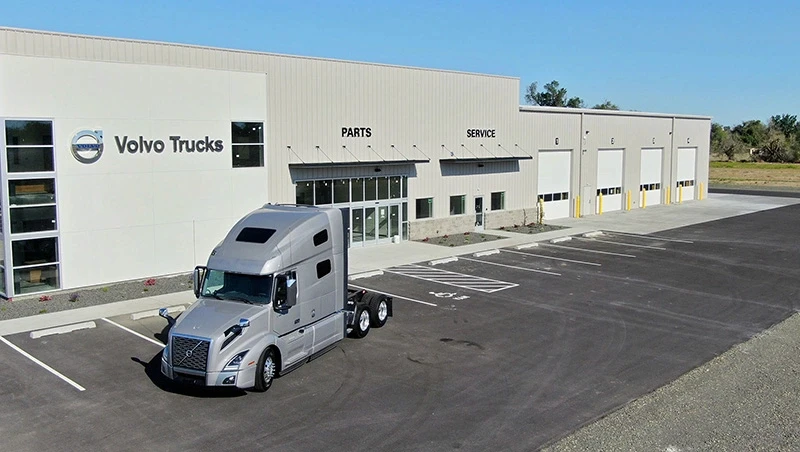
Trucks Dealer Portal
Trucks Dealer Portal is a global digital platform for Volvo Trucks dealers, focused on reducing complexity, streamlining daily workflows, and delivering a consistent experience across markets.
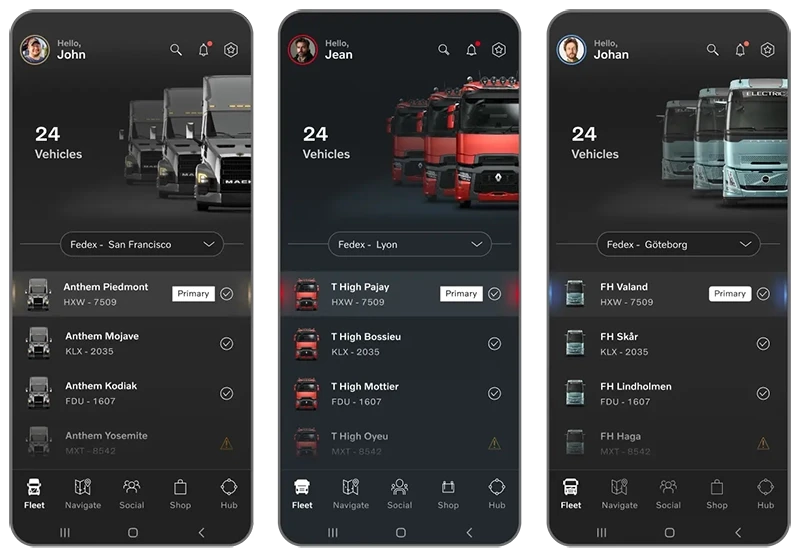
Volvo Group Design System
Volvo Group Design System is a scalable design foundation that ensures consistency, accessibility, and efficiency across Volvo Group’s digital ecosystem, enabling teams to deliver high-quality experiences at scale.
ShipIT
ShipIT is an internal logistics system used to manage material transportation for Volvo’s production lines, supporting complex logistics flows that include both standard and express deliveries. The system handles a wide range of material types and operational constraints, serving multiple user roles involved in planning, booking, and monitoring transportation activities across the supply chain.
Introblocks
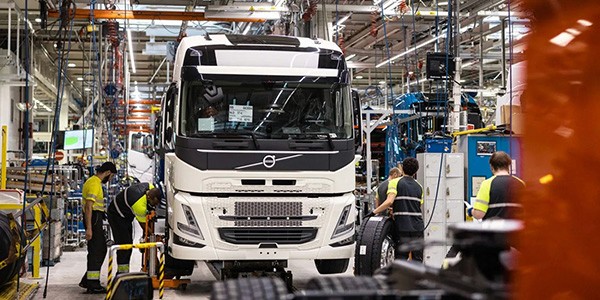
Introblocks is a Volvo Group initiative designed to improve production quality and stability by structuring controlled intervals in the truck production line. The project tackles operational complexity while evolving existing processes through focused improvements delivered in 2025.
Trucks Dealer Portal
Trucks Dealer Portal is a global digital platform for Volvo Trucks dealers, focused on reducing complexity, streamlining daily workflows, and delivering a consistent experience across markets.
Volvo Group Design System
Volvo Group Design System is a scalable design foundation that ensures consistency, accessibility, and efficiency across Volvo Group’s digital ecosystem, enabling teams to deliver high-quality experiences at scale.
ShipIT
ShipIT is an internal logistics system used to manage material transportation for Volvo’s production lines, supporting complex logistics flows that include both standard and express deliveries. The system handles a wide range of material types and operational constraints, serving multiple user roles involved in planning, booking, and monitoring transportation activities across the supply chain.
Introblocks
Introblocks is a Volvo Group initiative designed to improve production quality and stability by structuring controlled intervals in the truck production line. The project tackles operational complexity while evolving existing processes through focused improvements delivered in 2025.
Trucks Dealer Portal
Trucks Dealer Portal is a global digital platform for Volvo Trucks dealers, focused on reducing complexity, streamlining daily workflows, and delivering a consistent experience across markets.
Volvo Group Design System
Volvo Group Design System is a scalable design foundation that ensures consistency, accessibility, and efficiency across Volvo Group’s digital ecosystem, enabling teams to deliver high-quality experiences at scale.
Strategy
Each company has its unique setup and challenges, so there's no one-size-fits-all approach. However, I can certainly provide you with a general overview of how things typically work when it comes to developing digital products. When designing great user experiences, having a structured approach makes all the difference. Here are the methodologies I use most frequently:
Agile vs Scrum
Agile and Scrum are like two buddies who work hand in hand to make projects run smoothly. Agile is the big-picture mindset, encouraging flexibility and customer feedback throughout a project. Scrum, on the other hand, is like the practical coach on the field, providing a structured game plan with roles like Product Owner and Scrum Master, and using rituals like daily stand-ups and sprint planning to keep the team on track. Together, they help teams stay agile, adapt to changes, and deliver awesome results. It's like the perfect combo for a winning project playbook.
My Go-To UX Processes
Design Thinking – A human-centered approach focused on empathy, ideation, and rapid prototyping.
Double Diamond – A structured way to explore and define problems before finding solutions.
Design Sprint – A fast-paced method to prototype and test ideas within days.
Lean UX – An agile approach focused on quick iterations and learning through real user feedback.
Jobs To Be Done (JTBD) – Understanding user motivations and needs beyond demographics.
Why these methods?
They are flexible, adaptable, and promote experimentation and rapid learning while fostering collaboration across multidisciplinary teams.
Choosing the right methodology
1. Understanding the Project Context
What are the key challenges?
Is the team multidisciplinary or more technically focused?
Does leadership support innovation and UX initiatives?
2. Evaluating Time & Resources
I always start by talking to the team to understand availability and assess what’s possible with the current resources.
3. Measuring the Level of Uncertainty
The bigger the problem or solution, the more exploratory the approach needs to be.
High Uncertainty: If we’re developing a brand-new product with unknown market reception, Design Thinking helps dive deep into the problem space and uncover insights.
Low Uncertainty: If we’re refining an existing product with clear usage data and user feedback, Lean UX allows us to test hypotheses quickly.
4. Adapting to Team Maturity
Beginner Teams: Design Thinking fosters a collaborative mindset.
Experienced Teams: Lean UX speeds up processes without compromising quality.
Mixed-Level Teams: Design Thinking for initial alignment, followed by Lean UX for fast execution and continuous learning.
Involving stakeholders the right way
Understand Their Expectations: Know what they care about and why.
Engage Them in the Right Stages: Use workshops, reviews, and usability tests to involve them effectively.
Speak Their Language: Avoid jargon and explain UX concepts in accessible terms.
C-Level Executives: Focus on business impact and outcomes.
Technical Teams: Show how design decisions affect implementation.
Key Takeaways
No methodology works 100% of the time. Adaptation is essential! Here’s how I tweak my process while staying true to UX principles:
Keep user needs at the center.
Test solutions quickly and iteratively.
Define non-negotiables in the process.
Document adaptations for future reference.
Set time limits for modifications based on project complexity.
This text contains content adapted from “How NOT to Get Lost in the Maze of Design Methodologies” by Rebecca Brunhol.
A.I.
Conscious UX
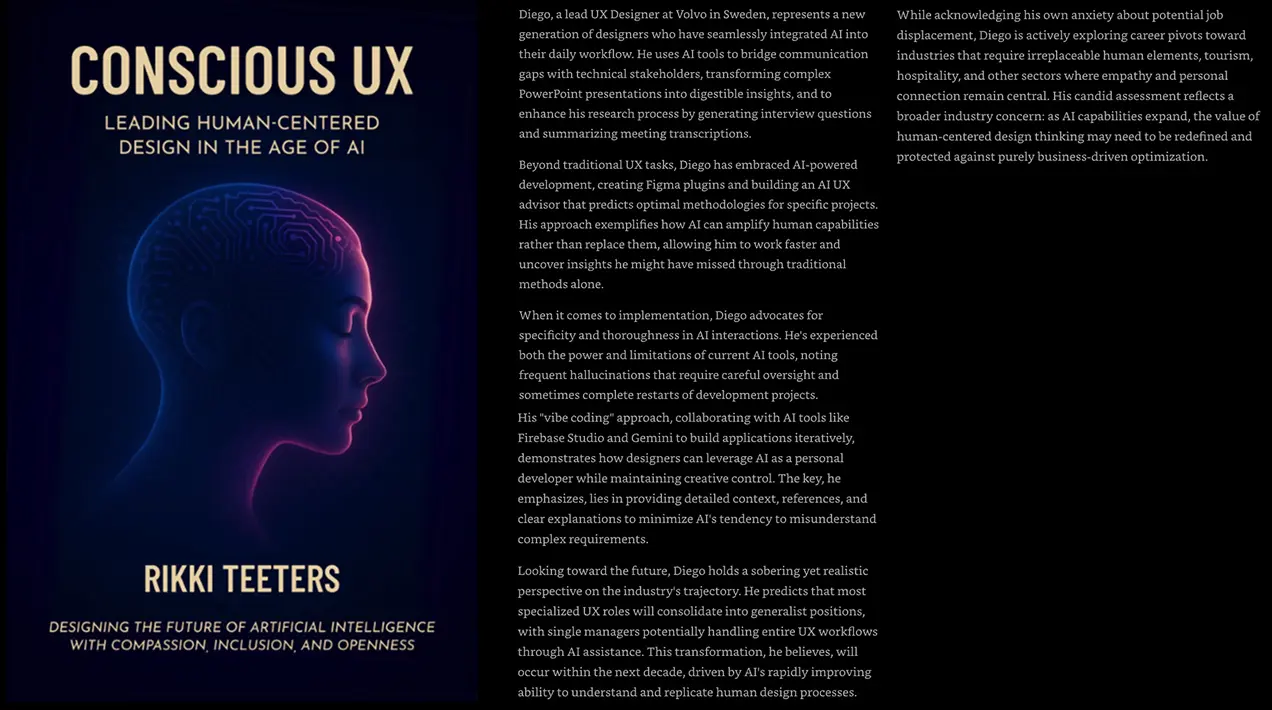
I was interviewed by Rikki Teeters, a UX Manager at Amazon in the United States, for her book Conscious UX, while I was still working as a UX Lead, where I shared how I integrate AI into my daily work to support research, generate interview questions, synthesize insights, and bridge communication gaps with technical stakeholders, using AI as an amplifier of human thinking rather than a replacement, including building Figma plugins and iterating with tools like Firebase Studio and Gemini, while maintaining creative control through clear context and oversight, and offering a critical perspective on AI’s current limitations and the importance of protecting human-centered design in an increasingly automated industry.

About me
About me
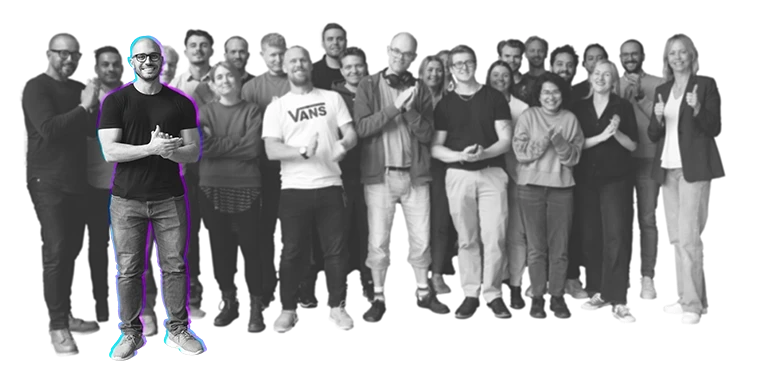
My name is Diego Nascimento. I'm a Principal UX Designer at Volvo Group in Gothenburg, Sweden, where I lead UX strategy and execution for large scale logistics platforms and drive the adoption of the Volvo Group Design System across digital products. My work focuses on clarity, scalability, accessibility, and measurable business impact.
I'm a Brazilian designer with more than 18 years in the design field, having moved into UX as my career evolved from web and 3D design into product and enterprise systems. Over the years, I've designed for global brands including Volvo, IBM, Johnson & Johnson, AB InBev, and many others.
I hold a bachelor's degree in Design and am completing a postgraduate program in UX Design and Strategy, which strengthened my product thinking beyond visuals. I’ve led design systems, transformed complex enterprise platforms, guided teams, and delivered solutions adopted worldwide.
My work is trusted by:

Contact me
(+46) 73520 - 0365
Göteborg
Sweden 🇸🇪, 417 51
Contact me
(+46) 73520 - 0365
Göteborg
Sweden 🇸🇪, 417 51
Contact me
(+46) 73520 - 0365
Göteborg
Sweden 🇸🇪, 417 51